Showing posts with label Engagement ring. Show all posts

Behind the Scenes of a Bespoke Engagement Ring

There’s something quietly magical about a bespoke engagement ring. It doesn’t begin in a display case or a catalogue. It begins with a conversation, often over a cup of tea, about a story, a person, and a promise that hasn’t yet been made into metal or stone.

engagement ring


Every bespoke ring has its own journey. No two are ever the same, because no two love stories are either. What makes the process so special is not just the finished piece, but everything that happens along the way.

The First Conversation: Where It All Begins

The journey usually starts with an idea rather than a design. A client might come in with a vague inspiration: a vintage style they saw once, a shape they’ve always loved, or even just a feeling they want the ring to express.

At this stage, it’s less about technical detail and more about listening. What matters most is understanding the personality behind the ring, who it’s for, how they live, and what kind of design would feel right on their hand every day.

Some couples come together, while others arrive alone, planning a surprise proposal. Each brings a different energy to the process, and that shapes everything that follows.

Sketching the Vision


ring design


Once the ideas are clear, the first sketches begin. This is where imagination starts to take a visual form. Pencil drawings are still one of the most powerful tools in bespoke engagement ring design, with simple lines that gradually define proportion, setting, and style.

At this stage, there’s often back and forth. A slightly thinner band here, a more elevated setting there, perhaps a different diamond shape altogether. It’s a collaborative process, and small changes can completely transform the character of the ring. Nothing is rushed. The goal is always balance: something beautiful, but also wearable and deeply personal.

Choosing the Stone: The Heart of the Ring

The diamond or gemstone is often the emotional centre of the design. This is where things become very real. Clients are guided through options such as cut, clarity, colour, and carat, but also through more instinctive choices. Some are drawn to the brilliance of a round cut, others to the elegance of an oval or the vintage charm of a cushion cut.

Increasingly, couples are also considering ethical sourcing and lab-grown alternatives, which offer another layer of choice without compromising on beauty or quality.

What matters most is not just the specification, but how the stone feels to the person choosing it. There is usually a moment when everything just “clicks”, and that stone becomes the one.

CAD Design: Precision Meets Creativity

Once the design and stone are finalised, the ring moves into the technical stage. This is where modern technology meets traditional craftsmanship.

A detailed CAD (Computer-Aided Design) model is created, allowing every angle of the ring to be viewed in precise detail. This step ensures proportions are perfect, settings are secure, and the design translates beautifully from concept to reality.

This is the same level of precision you would expect from experienced Hatton Garden jewellers, where craftsmanship and design expertise are central to creating truly bespoke pieces. Clients are often shown realistic renders at this stage, giving them a near-final glimpse of their ring before it is made. It’s an exciting moment, the first time the idea looks almost real.

Handcrafting in the Workshop

After approval, the real transformation begins in the workshop.

Skilled jewellers take over, working carefully to bring the design to life. Precious metals are shaped, settings are formed, and every detail is crafted by hand. It’s a process that requires patience, experience, and an incredible level of precision.

There is something deeply traditional about this stage. Even with modern tools, much of the work still relies on the jeweller’s eye and steady hand. It’s here that a design becomes a tangible piece of jewellery.

Setting the Stone

One of the most delicate moments in the entire process is the setting of the stone. Whether it’s held in claws, a bezel, or a more intricate setting, this step demands absolute accuracy.

The stone must be secure, but also positioned to maximise its brilliance and fire. Even the smallest adjustment can affect how it catches the light. Once set, the ring suddenly feels alive. The design that once existed only on paper now has depth, weight, and sparkle.

The Final Polish and Reveal

Before the ring is complete, it undergoes a final polish. This brings out the full shine of the metal and ensures every surface is perfectly finished.

Then comes the reveal.

Seeing a finished ring for the first time is often emotional. For many clients, it represents not just a piece of jewellery, but a milestone in their relationship, a moment, a memory, and a promise captured in a single object. It is carefully presented, often in anticipation of one of life’s biggest questions.
More Than a Ring

What makes bespoke engagement rings so special is not just their appearance, but their meaning. They are not chosen from a shelf; they are built around a person, a story, and a future.

Every curve, every stone, every detail has been considered with intention. That level of thought is what gives bespoke jewellery its lasting value. In a world of mass production, there is something timeless about wearing a piece that exists nowhere else.

Finding The Perfect Engagement Ring

Finding the perfect engagement ring is an exciting and meaningful part of planning a proposal. Whether you’re preparing for an intimate moment or a grand gesture, the ring you choose will become a lasting symbol of your commitment and love.

engagement ring


It's important to remember that engagement rings come in different styles, shapes, and price points, and several factors such as choosing between classic designs to more modern options, will affect both the quality and the cost of the piece you ultimately choose.

Budget

When choosing a ring, it’s crucial to choose a price range that fits with your financial plans without overstretching your budget. The old three-month salary rule is increasingly a thing of the past - modern couples prefer to spend what feels comfortable for their specific circumstances.

High-quality rings are available at a wide range of price points, and many reputable jewellers offer flexible financing or interest-free payment plans to help you secure the perfect ring while maintaining financial peace of mind.

Style of Ring

When it comes to finding the right ring for you and your partner, choosing a style that resonates with your partner's aesthetic is paramount. The design process involves several key decisions, including the setting and the carat weight. To make an informed choice, every buyer should familiarise themselves with the 4Cs: Cut, Colour, Clarity, and Carat.

The cut is often considered the most vital, as it determines how the diamond handles light. Settings also play a huge role. A traditional solitaire offers timeless elegance, while a halo setting can make a smaller stone appear more substantial. Each style has its own pros and cons regarding light return and how high the stone sits on the finger.

Choice of Metal

The metal you choose provides the foundation for the entire ring. Deciding between a gold and a silver-toned engagement ring (such as platinum or white gold) is a significant decision that should be influenced by personal style and lifestyle.

For those with active lifestyles, platinum is a popular choice due to its density and natural white sheen that doesn't fade. Yellow gold remains a classic, offering a warm glow that complements many skin tones, while rose gold provides a romantic, modern alternative. It's worth noting that different carat weights of gold (such as 9ct versus 18ct) will affect both the price point and the metal's resistance to daily wear and tear.

Personalisation

Many jewellers offer the option to personalise your ring, transforming it into something truly unique. Personalisation adds a deep layer of sentiment and meaning, ensuring the ring is a one-of-a-kind tribute to your relationship.

It can range from choosing a specific birthstone to accompany a central diamond to adding custom engravings inside the band. In the UK, many couples choose to engrave phrases personal to them or significant dates to capture a private message that stays close to the heart.

How Engagement Ring Design Has Evolved Through the Decades


Engagement rings have always been more than jewellery; they’re symbols of love, style, and the times in which they’re created. From vintage glamour to modern minimalism, the evolution of engagement ring design tells a fascinating story about shifting trends, craftsmanship, and culture.

Today’s engagement ring designs blend heritage with innovation, craftsmanship with conscience, and romance with realism. The evolution of engagement rings isn’t just about changing styles; it reflects how love, values, and creativity have evolved over the ages.


Here’s how the styles we adore today came to be, and why certain designs have stood the test of time.


The 1920s: Art Deco Glamour

The Roaring Twenties brought confidence, creativity, and a love of geometry to fashion and design. Engagement rings from this era were bold and architectural, with clean lines, angular settings, and symmetrical patterns inspired by art and architecture. Platinum became the metal of choice, often set with baguette-cut diamonds or coloured gemstones.

Art Deco rings perfectly reflected the energy of the age, a time of jazz, independence, and new beginnings. Their intricate detailing and timeless structure continue to influence jewellers nearly a century later.


The 1940s and 1950s: Hollywood Romance

After the Great Depression and wartime years, glamour made a dramatic comeback. The 1940s and ’50s celebrated opulence, optimism, and enduring romance. This was the era of Grace Kelly and Marilyn Monroe, when diamonds became the ultimate symbol of commitment, helped, of course, by De Beers’ famous “A diamond is forever” campaign in 1947.

Rings became larger and more luxurious, with round and emerald cuts taking centre stage. Yellow and white gold replaced platinum due to wartime restrictions, giving pieces a warmer tone that felt both elegant and nostalgic.


The 1960s and 1970s: Individuality and Colour


The Swinging Sixties brought freedom and self-expression. Fashion was fun, and so were engagement rings. Bold coloured gemstones such as sapphires, emeralds, and rubies made a comeback, often paired with yellow gold. Audrey Hepburn’s stackable wedding set and Princess Anne’s sapphire ring defined the decade’s effortless glamour.

By the 1970s, bohemian style reigned supreme. Rings became more fluid, organic, and personal, reflecting the free-spirited energy of the time. Statement pieces and non-traditional cuts like marquise and pear shapes became popular among those seeking individuality.


The 1980s: The Era of Excess

If the ’70s were about self-expression, the ’80s were all about extravagance. Big diamonds, bold designs, and striking settings dominated. When Prince Charles proposed to Lady Diana Spencer in 1981 with a stunning 12-carat blue sapphire surrounded by diamonds, the world fell in love with halo rings.

This decade cemented the halo design as a timeless classic, while platinum re-emerged as a luxurious favourite. Engagement rings became aspirational status symbols, influenced by celebrity culture and the growing connection between fashion and fame.


The 1990s: Minimalist Chic


solitaire

As the decade of excess faded, simplicity took the spotlight. The ’90s saw the rise of clean lines, understated settings, and a renewed focus on timeless elegance. The classic solitaire, a single diamond on a slender band, became the decade’s defining style.

This minimalism mirrored broader cultural shifts, from Calvin Klein’s pared-back fashion to the “less is more” aesthetic that defined an era. Rings were elegant, refined, and effortlessly wearable.


The 2000s: Bespoke Beauty

The turn of the millennium brought a new appreciation for individuality. With celebrities showcasing unique designs and social media making trends more visible than ever, couples wanted rings that told their story.

The bespoke movement gained momentum. Oval and cushion cuts became increasingly popular, and mixed metals made a comeback. Designers began blending vintage inspiration with modern precision, creating pieces that were personal yet timeless.


The 2010s to Today: Conscious Luxury

The last decade has seen perhaps the biggest transformation of all. Modern couples value sustainability, ethics, and craftsmanship just as much as sparkle. Lab-grown diamonds and recycled metals have become leading choices, as people seek to align love with responsibility.

Design-wise, simplicity and symbolism remain key. Oval, pear, and emerald cuts dominate social media feeds, often set in yellow gold for a warm, contemporary look. The rise of bespoke design means no two rings are quite the same, and that individuality is something to celebrate.

Engagement Rings 101: Diamond Cuts, Settings and Metals Explained

Choosing an engagement ring is one of life’s most exciting milestones—but it can also be overwhelming with so many styles, shapes and options to consider. Whether you're about to pop the question or simply exploring possibilities together, understanding the basics of engagement ring design will make the journey smoother and more meaningful.

From timeless diamond cuts to contemporary settings like bezel engagement rings, this guide breaks down the key elements that define a ring's beauty, durability and personal expression.

Diamond Cuts: The Shape of Brilliance

diamond ring


The cut of a diamond isn’t just about its shape—it also determines how well the stone captures and reflects light. Here are some of the most popular cuts:

  • Round Brilliant: The classic and most sparkly cut, round diamonds are timeless and suit virtually any setting.
  • Princess Cut: A modern favourite, this square-shaped diamond combines brilliance with a contemporary edge.
  • Oval: Elongated for elegance, oval cuts can make fingers appear longer and slimmer.
  • Emerald: Known for its sleek, step-cut facets, the emerald cut is perfect for lovers of vintage glamour.
  • Cushion: Rounded corners and a pillow-like shape give this cut a romantic, antique feel.
  • Pear: A blend of round and marquise, this teardrop shape is unique and flattering.

Each cut offers a different look and feel, so consider your partner’s style and lifestyle when deciding which to choose.

Ring Settings: Framing the Stone

The setting is what holds the diamond in place—and it has a huge impact on the overall aesthetic and security of the ring.

  • Prong Setting: Perhaps the most traditional, this setting uses tiny claws to hold the stone, allowing maximum light exposure and sparkle.
  • Bezel Setting: A sleek and secure option, bezel engagement rings surround the diamond with a metal rim. This style is ideal for active lifestyles and has a clean, modern appearance.
  • Halo Setting: A central diamond encircled by smaller stones, this glamorous choice creates the illusion of a larger stone.
  • Pavé Setting: Tiny diamonds set closely together along the band for added sparkle without overwhelming the main stone.
  • Tension Setting: A contemporary, minimalist look where the diamond appears suspended between two ends of the band.

When selecting a setting, balance aesthetics with practicality. A bezel or low-profile setting might be best for those who work with their hands regularly.

Metal Types: Setting the Tone

The metal you choose can influence not only the ring's appearance but also its durability and maintenance.

  • Platinum: Highly durable and hypoallergenic, platinum is a premium choice with a naturally white sheen.
  • White Gold: Sleek and modern, white gold is coated in rhodium for added brightness but may require re-plating over time.
  • Yellow Gold: A classic and warm-toned option, yellow gold has a rich, traditional appeal.
  • Rose Gold: A romantic, blush-hued alloy that has surged in popularity for its soft and feminine look.
  • Two-Tone: Combining metals (e.g., white and rose gold) can create contrast and uniqueness.

Be sure to consider your partner’s jewellery preferences and skin tone when selecting a metal, as well as how much maintenance you're willing to invest in long term.

An engagement ring is more than a piece of jewellery—it’s a symbol of love, commitment and the beginning of a shared future

By understanding the key elements—diamond cuts, settings and metals—you’ll be well-equipped to choose a ring that perfectly reflects your partner’s style and your shared story. And remember, while trends come and go, the most important thing is finding a ring that feels right.

*Collaborative post

Test-Wearing Before You Buy: How to Spot Real Value in Pre-Owned Pieces

In an era where sustainability meets style, pre-owned fashion and jewellery have come into the spotlight rather than on the periphery. An increasing number of shoppers are turning to secondhand pieces not because of the price, but because they can have an item of jewellery that is crafted well and is unique.  However, when it comes to high-value items or purchases that are sentimental in nature, one looming question comes to mind: how can you be sure you’re getting real value? Then I suggest test-wearing would be of benefit ot you before purchasing.

What is Test-Wearing?

diamond ring


Test-wearing simply means that one puts on a pre-owned piece and wears it in real-life scenarios before making a purchase. This is not about browsing in a showroom or holding it to the mirror. It is more about making it a part of your life, wearing it with your clothes, trying how it fits your life and whether it really speaks volumes to you. The idea has already become a reality as some resale sites and small consignment shops have even started to provide short trial periods.

Why It Matters

Pre-owned pieces, particularly classic or luxury, usually come with their own little twists. They may appear stunning in photos, but feel entirely different on your wrist, finger, or shoulder. A bag might be heavier than expected. A ring might sit clumsily against your knuckle. Test-wearing lets you assess comfort, condition, and compatibility before making an investment.

This difference would be even greater in terms of such strongly personal products as non-traditional engagement rings where they might want to defy tradition but still have to seem classical and comfortable to wear.

Observing True Value in Pre-Owned Pieces

To make the most of test-wearing, you might take into account some of the following factors:


Authenticity: A luxury good should always be accompanied by its documentation or certificate. Stores of good repute must offer verification or a third-party appraisal.

Condition: It is beyond surface wear. Look at clasps as well as stitching, and prongs plus zippers. Some flaws add character, but some may constitute a dealbreaker.

Timelessness vs. Trend: Will you enjoy the piece in the long run, or is it so firmly based on a fad? 

Resale Potential: Pre-owned investments with good potential have good chances of retaining, or even rising in value. Items that are particularly sought after are limited-edition/ and discontinued items/

To Sum Up

It is not all about practicality when it comes to test-wearing; it is all about connection. Once you live with a piece, you start to realise if it fits into your world. And when you live in a fashion world where conscious consumption has become the name of the game, that is real currency and a sustainable approach too.

So the next time the idea of a pre-owned item comes into your line of vision, do not question whether it is a good idea or not; see if you can test that item out. You may find it fits into your lifestyle and you can pat yourself on the back as buying pre-owned is a sustainable lifestyle choice too. 

*Collaborative post


The Diamond Dilemma: Should You Choose Lab-Grown or Natural for Your Engagement Ring?

Diamonds have always been the ultimate symbol of love, luxury, and commitment.

But in 2025, the diamond conversation is sparkling with fresh energy. Lab-grown diamonds have arrived as a modern marvel, gently shaking up tradition and offering couples more choice than ever before. Now, couples are exploring what their choice of diamond engagement ring really means to them.


Image credit: Alekon Pictures via Unsplash

So, why are people increasingly drawn to lab-grown diamonds, and how do they really compare to their earth-mined counterparts? Let’s take a closer look at the pros, cons, and which one best resonates with you and your love story.

What Are Lab-Grown Diamonds?

Lab-grown diamonds are not just a trend; they are the product of sophisticated science and a growing demand for ethical luxury. Manufactured in high-tech laboratories, these diamonds are created by replicating the intense pressure and heat conditions that naturally form diamonds deep within the Earth.

The result is a gemstone that is chemically, physically, and visually identical to a natural diamond. The key difference lies solely in their origin: one is born from the earth over billions of years, the other crafted in weeks within a lab. But both produce that amazing shine that makes a diamond feel so stunning.

Why Are They Becoming Popular?

Lab-grown diamond engagement rings are quickly making their mark, and it’s easy to see why.

In a world where our values and choices feel more important than ever, couples are looking for a ring that really resonates with them. These stones offer a thoughtful alternative for those who want their jewellery to reflect both their love and their principles.

Here are the most common reasons couples are choosing lab-grown diamond rings over real ones…

  • Ethical peace of mind: Choosing a lab-grown diamond means sidestepping the environmental and social issues that can come with traditional mining. For many, this brings a sense of reassurance and pride in their choice.
  • A lighter footprint: With a much smaller carbon footprint, lab-grown diamonds appeal to those who want their love story to tread lightly on the planet.
  • More diamond for your money: Lab-grown stones usually cost 30–40% less than their natural counterparts, giving you the freedom to opt for a larger stone or a more intricate setting, without stretching your budget.
  • Consistent beauty: Created in controlled conditions, these diamonds have excellent clarity and colour, delivering that mesmerising brilliance couples adore.


With more people questioning the origins and impact of what they wear, lab-grown diamonds stand out as a symbol of modern romance, one that balances tradition with a fresh and thoughtful perspective.


Image credit: Warren James


Are There Any Drawbacks?

Although lab-grown stones have plenty to offer, they’re not without their drawbacks. For couples considering every angle, it’s worth being aware of a few potential downsides that could make a difference when choosing their engagement ring.

These include…

  • Long-term value: Unlike natural diamonds, lab-grown stones tend to depreciate more quickly and generally don’t hold their value over time, which can make them less appealing from an investment perspective.
  • Perception and tradition: Some people still see natural diamonds as the more traditional or ‘authentic’ choice. This can be especially true in families or cultures with strong ties to tradition.
  • Energy-intensive production: Although lab-grown diamonds avoid the environmental damage of mining, their creation is still energy-intensive. Producing these stones can require significant electricity, sometimes sourced from fossil fuels, which may reduce their sustainability appeal.


While lab-grown diamonds are a brilliant choice for many, weighing these considerations alongside their benefits will help ensure your engagement ring truly reflects what matters most to you.


Image credit: Korie Cull via Unsplash


Natural Diamonds: Timeless, Rare, And Full Of Story

Natural diamonds have always held a special place in the hearts of couples looking for the perfect sign of their commitment to each other. But their enduring appeal goes far beyond their sparkle.

For those weighing their options, it’s worth considering the qualities that make natural diamonds truly timeless…

  • The epitome of tradition: Natural diamonds are steeped in history and symbolism, having been exchanged as tokens of love and commitment for generations. Their ancient origins add a sense of gravitas and romance that many find deeply meaningful.
  • True timeless quality: There’s a certain magic in knowing your diamond is a rare product of nature, with unique inclusions and subtle quirks that make each stone one of a kind. This individuality is cherished by those who value authenticity and character in their jewellery.
  • Heritage and value: Natural diamonds have long been reliable when it comes to holding their value over time. For many, this makes them a reassuring choice for couples hoping their engagement ring will become a treasured family heirloom.
  • Classic perception: In many families and cultures, natural diamonds are still viewed as the traditional or ‘true’ choice for an engagement ring. This feeling of legacy can add a layer of significance to your ring, especially if you’re drawn to the idea of continuing a cherished custom.


While natural diamonds may come with a higher price tag and their own set of considerations, their history, individuality, and enduring symbolism continue to make them a compelling choice for those who want their ring to embody timeless love and tradition.


Image credit: Warren James

But natural diamonds also have their challenges

It's undeniable that natural diamonds have an undeniable allure. But they also come with a few challenges. If you’re looking at the full picture, it’s wise to weigh these potential drawbacks before making your decision.

  • Ethical concerns: The diamond industry has a complex history, and issues related to conflict diamonds and unfair labour practices have cast a shadow over some sources. While certification schemes have improved transparency, it can still be difficult to guarantee that every diamond is ethically sourced.
  • Environmental impact: Diamond mining can have significant effects on the environment, including habitat disruption, soil erosion, and water pollution. Even with improvements in mining practices, many diamonds may have a high carbon footprint.
  • Higher cost: Natural diamonds are typically much more expensive than lab-grown alternatives of similar size and quality. While the premium reflects their rarity, it can put a traditional diamond out of reach for some couples.
  • Inconsistency in quality: Because they are formed by nature, natural diamonds can vary widely in terms of clarity, colour, and inclusions. While this uniqueness is part of their charm, it can also make finding the perfect stone more challenging and costly.


While natural diamonds offer tradition, beauty, and a sense of lasting legacy, it’s important to consider these factors to ensure your engagement ring truly reflects your values and priorities.


Image credit: Warren James

So, Which One Is Right For You?

Selecting a diamond for your engagement ring is about more than simply choosing a beautiful stone…it’s about finding one that speaks to your values, your story, and the future you envision together.

Ultimately, the right diamond is the one that feels authentically yours. Whether you’re inspired by the promise of new technology or the romance of tradition, let your choice reflect the story you want to tell. Your engagement ring should be bold, beautiful, and uniquely suited to you and your own love story together.

*Collaborative post

Expert Shares How To Clean Your Engagement Ring Safely At Home

There is nothing quite like the sparkle of a diamond, and it’s not uncommon to find yourself hypnotised by the brilliance of your diamond upon first receiving your ring.


woman


Wearing your ring every day will take its toll - a build-up of things like oil, debris and cosmetic residue can create a thin layer on your ring, making it look dull. The good news is that there is no reason you can’t keep your diamond as vibrant and twinkly as the day you received it- it just takes a little sprucing up every so often.

Award-winning engagement ring jewellers, Queensmith, share their straightforward guide for when you need to clean your ring at home.


Check That The Ring Is Still In Good Condition

toothbrush


You probably don’t take off your ring very often, if at all, which means you might not spot if the ring is damaged at all. Before you start cleaning, make sure you look closely and inspect the state of it. Make sure all the claws are still firm and the diamonds are not moving in their settings, as rubbing the ring when cleaning may damage it further. If you do spot any damage, take your ring to a jeweller immediately, who will be able to fix any issues.

Make Sure You Use The Right Tools

You won’t need a lot to clean your ring at home - in fact, you’ll probably have everything you need already. Fetch a bowl, add washing-up liquid and fill with very warm water. You’ll need a soft-bristled toothbrush on hand - why not repurpose an old toothbrush you no longer use? Finally, set a clean cloth or tea towel on a secure surface where your ring will air dry after cleaning.

Begin Cleaning The Ring Using Washing-up Liquid

Once you’ve filled a bowl with very warm water and washing-up liquid, you can place your ring straight into the bowl. Don’t be afraid to use really warm water (as long as it’s not too hot to touch), as diamonds can withstand extremely high temperatures. Leave your ring to soak for ten or twenty minutes. Whether platinum or gold, the washing-up liquid will break down oils and dirt on the diamond’s surface and on the metal work.

Gently Brush The Ring Using A Soft Toothbrush

After soaking, use the toothbrush to lightly brush any remaining dirt away. Be sure to brush behind the diamond and under the setting, if the ring design allows it. Whilst diamonds are nature’s most durable material, metals like platinum and gold can scratch, so make sure to use light brushes with a soft toothbrush.

Rinse The Ring Off And Dry It


Once you think your ring is nice and clean, rinse it under warm running water. Make sure to put the plug in to avoid dropping your ring down the sink, or rinse over a bowl! When it comes to drying the ring, be sure not to use an abrasive towel, cloth or cleaner that could leave marks on the metal. Be wary that gold is slightly softer than platinum, so is more prone to scratches and nicks. You can also leave your ring to air dry if you prefer.

Repeat As Often As Needed

Ideally, you should clean your engagement ring regularly. Some people do this weekly, some monthly, others yearly - it's up to you how often, but the more often, the more consistently sparkly your ring will appear. As gross as it sounds, our hands shed skin, pick up dust and debris from the things we touch, and produce a lot of oil, only exacerbated by things like hand creams and moisturisers. In short, these small bits of dirt can get built up and stick to your ring, particularly the diamond and any crevices in the metalwork. Diamonds are oleophilic, meaning they attract oils, which settle on the surface of the diamond and cause it to appear dull.

Your diamond ring, especially an engagement ring, holds a lot of sentimental value so it’s important to take good care of it. Nothing should get in the way of your diamond’s sparkle - and all it will take is a quick clean to disintegrate the oil! Follow these steps and you will have a clean, sparkling diamond forever.

Author: Laura Suttie, Consultant & Gemmologist at Queensmith

Why Millennials are Opting for 10K Gold Engagement Rings

In recent years, 10K gold engagement rings have become increasingly popular, especially among millennials. So, why do millennials prefer 10K gold engagement rings? This article will explore this question in detail and provide a description of YFN’s best-selling product, the “10K White Gold Round Moissanite Couple Engagement Ring,” to help elucidate the reasons.

Economical

ring

Budget-Friendly

Millennials often face significant financial pressures, such as student loans, mortgage payments, and living expenses. Consequently, when choosing an engagement ring, they tend to opt for options that offer both quality and cost savings. 10K gold, which contains about 41.7% gold, is a more affordable alternative to 18K and 24K gold, while still offering excellent hardness and appearance.

High Cost-Performance Ratio

Although 10K gold has a lower gold content, it still maintains the luxurious feel and lustre of gold. Additionally, its blend of other metals increases its hardness and durability, making it more capable of retaining its beauty over time compared to high-purity gold.

Eco-Friendly

Responsible Consumption

Millennials are highly conscious of environmental and social issues. Compared to other materials, the extraction and production process of 10K gold causes less environmental damage. Furthermore, it doesn't easily warp or get damaged, reducing the chances of being discarded or frequently replaced.

Sustainable Development

With the growing recognition of limited resources, millennials are gravitating towards sustainable consumption patterns. Due to its higher hardness and durability, 10K gold requires less frequent maintenance and replacement, aligning perfectly with eco-friendly and sustainable consumption trends.

Design Versatility

Diverse Designs

The moderate hardness of 10K gold makes it suitable for various intricate designs and settings. Therefore, designers have more flexibility to craft rings in various styles, from traditional to modern and from intricate to minimalist, catering to millennials' desire for personalization and uniqueness.

Customisation Options

Many millennials seek uniqueness and personalization. The more affordable price of 10K gold allows many consumers to allocate more of their budget to custom designs, resulting in a one-of-a-kind engagement ring.

Practicality and Durability

Wear-Resistant

The inclusion of other metals in 10K gold increases its wear resistance, making it an ideal choice for everyday wear. This makes 10K gold engagement rings particularly appealing to active millennials who engage in sports and other physical activities.

Easy Maintenance

Compared to some high-purity precious metals, 10K gold is easier to maintain. It does not easily deform or scratch, maintaining its beauty while reducing future maintenance costs.

Aesthetic Appeal and Style

Classic and Fashionable

10K gold not only maintains the warm and luxurious feel of gold but also, due to its moderate hardness, is suitable for various settings and designs. It strikes a balance between classic and fashionable, aligning with millennials' pursuit of quality of life.

Variety of Colours

10K gold can be crafted into multiple colours, such as yellow, white, and rose gold, without losing the essence of gold's beauty. White 10K gold, in particular, has a modern and more minimalist look, making it especially appealing to younger generations.

YFN hot-selling products recommended


At YFN Jewelry, they are dedicated to providing millennials with jewellery that is both economical and high-quality with stylish designs. Their best-selling product, the “10K White Gold Round Moissanite Couple Engagement Ring,” perfectly embodies these attributes. This ring is crafted in 10K white gold, blending the modern appeal of white metal with the brilliant sparkle of moissanite. Not only does moissanite outshine diamonds in terms of brilliance, but it also offers exceptional hardness and durability, making it a cost-effective choice. Additionally, the ring's design is understated yet elegant, with round-cut moissanite perfectly set at the centre, adorned with intricate detailing around it, making it a timeless classic.

Conclusion

Overall, 10K gold engagement rings have gained popularity among millennials due to their affordability, eco-friendliness, design versatility, durability, and aesthetic appeal. Whether you seek the traditional metallic feel or a modern design, 10K gold engagement rings offer excellent performance, meeting this generation's high standards for quality and personalization. YFN's “10K White Gold Round Moissanite Couple Engagement Ring” not only boasts these benefits but also showcases outstanding design and craftsmanship, making it the go-to choice for millennials' engagement rings. By choosing a 10K gold engagement ring, millennials not only fulfill their expectations for a beautiful symbol of love but also demonstrate their commitment to social, environmental, and quality-of-life values.

*Collaborative post

Unveiling the Hidden Halo: Why It's the Hottest Trend in Engagement Rings for 2024

In the world of engagement rings, trends come and go, but one style that's capturing the hearts of couples everywhere is the hidden halo design. But what exactly makes this ring style so popular in 2024? In this blog post, we'll delve into the allure of the hidden halo engagement ring, exploring its unique features, rising popularity, and why it's become a must-have for modern couples.


The Secret Behind the Hidden Halo:


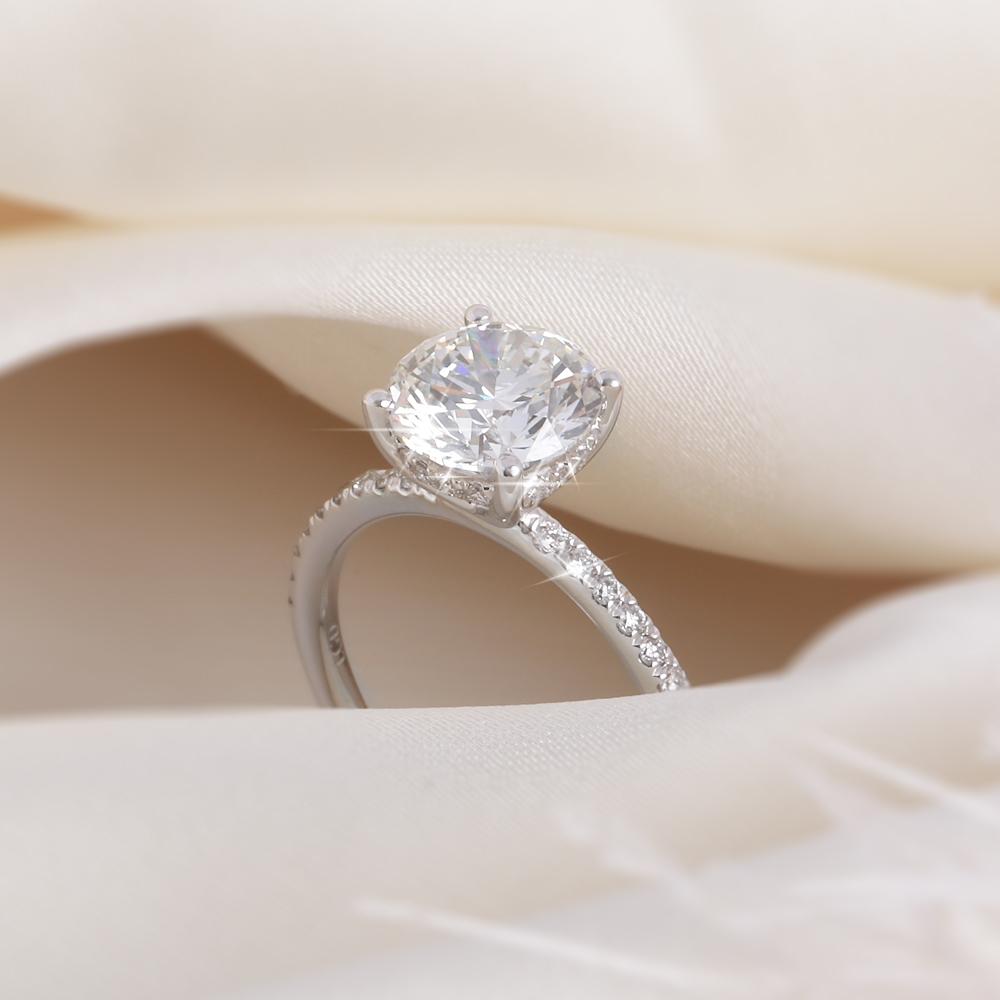
Invisible Elegance: Unlike traditional halo rings where the surrounding diamonds are visible from the top, a hidden halo is tucked away beneath the centre stone, creating the illusion of a classic solitaire ring from above. However, from any other angle, the hidden halo adds a touch of luxury and sparkle, elevating the overall aesthetic of the ring.

Subtle Sophistication: The beauty of a hidden halo lies in its subtlety. It's a sophisticated twist on the classic solitaire ring, offering a timeless elegance that appeals to couples seeking a balance between tradition and modernity. The hidden halo adds an element of surprise and intrigue, making it a conversation starter and a symbol of love and commitment.

Why Hidden Halos Are Stealing the Spotlight:

Affordability and Versatility: As natural diamonds become more expensive per carat, many couples are turning to lab-grown diamonds as a more affordable alternative. Hidden halos allow them to maximize the visual impact of their ring without breaking the bank. Additionally, hidden halos complement a variety of diamond shapes, from classic round to trendy oval, making them a versatile choice for any style preference.

Rising Trend: Hidden halos have been gaining popularity over the past year, with more couples opting for this stylish and sophisticated design. Social media influencers, celebrities, and jewellery enthusiasts alike, have been showcasing their hidden halo engagement rings, fueling the trend's momentum and inspiring others to embrace this elegant style.


FAQs About Hidden Halo Engagement Rings:


Q: What makes a hidden halo different from a traditional halo ring?

A: Unlike traditional halo rings, where the surrounding diamonds are visible from the top, a hidden halo is tucked beneath the centre stone, creating a seamless and sophisticated look from above.

Q: Can I customise a hidden halo engagement ring to suit my preferences?

A: Yes, hidden halo engagement rings offer ample opportunities for customization. You can choose the shape and size of the centre stone, as well as the metal type and design of the hidden halo, to create a ring that reflects your unique style and personality.

Q: Are hidden halo engagement rings suitable for everyday wear?

A: Yes, hidden halo engagement rings are designed to be both beautiful and durable, making them suitable for everyday wear. However, it's essential to care for your ring properly to ensure its longevity and sparkle.

Conclusion:

As we embrace the trends of 2024, the hidden halo engagement ring stands out as a timeless and elegant choice for modern couples. Its unique design, affordability, and versatility make it a popular option for those seeking a ring that combines tradition with contemporary flair. Whether you're drawn to its subtle sophistication or intrigued by its hidden beauty, a hidden halo engagement ring is sure to make a stunning statement of love and commitment.

For a stunning selection of hidden halo engagement rings, visit Brillianteers, where Tom from Brillianteers can offer additional insights into oval diamond rings with hidden halos.

*Collaborative post


The Quest for the Perfect Engagement Ring: Factors to Consider

When the love of your life is as unique as a rare gem, finding the perfect engagement ring to symbolise your affection and intentions can feel like a thrilling treasure hunt. It’s a special mission filled with anticipation, excitement, and even a touch of mystery, as you delve into the sparkly world of diamonds, metals, and bespoke designs. It’s not about snagging the flashiest ring or following fleeting trends; it’s about discovering a piece that encapsulates the depth and personality of your bond.

engagement

ene
Engagement rings are so much more than glittering jewellery; they are the promise of a future together, a symbol of dedication, and a story waiting to unfold. So, where does one begin the search for such a meaningful artefact? The process can be as meticulous and personal as the ring itself, with each choice reflecting a note of the love you share.

Understanding The Value of Bespoke Jewellery

As you venture into the land of engagement rings, consider stepping off the beaten path of mass-produced designs and into the realm of bespoke jewellery. Handcrafted creations are not merely products; they’re personal statements infused with the essence of their maker and the spirit of the wearer. With a bespoke piece, every curve and carat tells a part of your individual story. Choosing a ring from a bespoke jeweller like Pruden and Smith comes with a variety of advantages. Sustainable luxury is at the forefront of their philosophy. They have committed to using only recycled metals, ensuring that your special moment doesn’t come at the expense of the environment. This commitment extends to the very core of their practice, where each piece is crafted with precision by expert goldsmiths.

The Symbolism In Your Ring Selection

When selecting an engagement ring, symbolism takes centre stage. It’s not merely about the visual appeal or the value of the stone; it’s about what the ring represents. The design you choose should resonate with the personal narrative you and your partner are creating. A ring could symbolise a shared value, like the passion for the outdoors, reflected in the use of natural motifs or responsibly sourced materials. Or, perhaps it symbolises the new life you’re building, with intertwined bands representing your united paths.

Measuring What Matters

Too often, the search for an engagement ring becomes a quest for the biggest diamond. However, savvy ring seekers know that quality should never be overshadowed by carat size. A smaller, brilliantly crafted stone can exhibit more fire and sparkle than a larger stone of lesser quality. Here, you’re looking for a piece that stands the test of time, both in durability and style. A ring that glows with a refined lustre speaks of thoughtfulness and discernment.

Matching The Ring To The Personality

Your partner’s individuality is your compass in the vast sea of engagement ring options. Just as a tailor fashions a suit to fit the wearer, so should an engagement ring be matched to the person who will wear it. You will also need to consider which hand they will wear their engagement ring, and how they will wear it. Is your partner someone who revels in the classics, or do they stride boldly through life, a trailblazer with a taste for the unconventional? The chosen ring should be a testament to their character, as much a part of them as their own signature.

Preloved Vs New: The Pros and Cons of Buying a Second-Hand Engagement Ring

Choosing an engagement ring is a significant milestone in any relationship. It's a symbol of love, commitment, and the promise of a future together. While many couples opt for brand-new rings, there's a growing trend towards considering second-hand, vintage or preloved engagement rings. These rings can offer a unique blend of history, craftsmanship, and affordability. In this blog post, I'll explore the pros and cons of buying a second-hand engagement ring, helping you make an informed decision that aligns with your preferences and values.

Pros

engagement ring

1. Cost Savings 


One of the most compelling advantages of choosing a second-hand engagement ring is the potential for significant cost savings. High-quality rings can be quite expensive, and choosing a pre-owned option allows you to allocate more of your budget towards other important aspects of your wedding or shared life together. With the average wedding in the UK in 2022 costing £18,400, any savings are obviously a good thing.

2. Embracing Unique Designs

Vintage rings often boast intricate and unique designs that might not be readily available in modern jewellery stores. If you or your partner like distinctive or antique styles, a second-hand ring could be perfect for you, allowing you to express your individuality in a truly special way.

3. An Eco-Friendly Choice

Opting for a second-hand engagement ring is an environmentally conscious decision. The process of mining gemstones and metals can be ecologically destructive and contribute to unethical mining practices. By choosing a pre-owned ring, you're reducing the demand for new mining, which aligns with sustainable and eco-friendly living.

4.
A Piece of History or Sentimentality

Some second-hand rings come with a story. They might be family heirlooms, have an interesting historical background, and have witnessed years of love and commitment. Wearing a ring with such a rich history can imbue it with even more sentimental value, making it a cherished part of your journey together.

5. Customisation Potential

If you find a second-hand ring that you adore but want to add your own personal touch, there's ample opportunity for customisation. Whether it's resizing, resetting, or even adding additional stones, a skilled jeweller can help you transform a pre-owned ring into a one-of-a-kind masterpiece.

Cons

engagement ring


1. Limited Selection and Availability

Depending on where you shop, you might find a more limited selection of second-hand engagement rings compared to what's available in new jewellery stores. This could potentially make it harder to find exactly what you're looking for, especially if you have a specific design in mind.

2. Condition and Quality Variability

Pre-owned rings may have signs of wear and tear, and their condition can vary widely. It's crucial to carefully inspect the ring for any damage or issues. Additionally, the quality of the materials, such as the cut, clarity, and colour of the diamond, should be assessed to ensure they meet your expectations.

3. Sizing and Alterations

Finding a second-hand ring in the perfect size can be a bit more challenging. While resizing is possible, it might be limited by the design of the ring or the type of gemstone it contains. It's important to consult with a skilled jeweller to understand the potential limitations.

 4. Certification and Documentation

New rings often come with certificates of authenticity and documentation about the quality and origin of the gemstones. With second-hand rings, you may not have this level of information readily available. This could be an important consideration for buyers who place a high value on knowing the precise details of their ring.

5. Potential Emotional Attachment

For some individuals, wearing a ring that once symbolised a previous relationship might be uncomfortable. It's essential to have open and honest conversations with your partner about this aspect. If either of you feels strongly about having a completely fresh start, a second-hand ring may not be the best choice.

In conclusion, buying a second-hand engagement ring can be a cost-effective, environmentally friendly jewellery choice that provides a unique and potentially cherished piece of jewellery. However, it's crucial to approach the purchase with careful consideration, inspect the ring thoroughly, and ensure it aligns with your preferences and criteria. By weighing the pros and cons, you can make a decision that's not only beautiful but also meaningful for your shared journey ahead.

Let me know - would you consider a second-hand engagement ring?

*Collaborative post

Unique Engagement Rings From Nude Jewellery

Love is a beautifully intricate tapestry that weaves together the lives of two individuals, and an engagement ring symbolises the beginning of an extraordinary journey. In the realm of love and commitment, traditional engagement rings have always held a special place, but lately, couples have been seeking something truly unique and exceptional to reflect their one-of-a-kind love story. Enter the world of captivating and unique engagement rings!

Gone are the days when a diamond solitaire ring was the only option. Today, couples are embracing the idea of expressing their love through unconventional and personalised designs that beautifully embody their personalities, values, and shared dreams. These extraordinary engagement rings serve as sparkling testaments to the extraordinary love stories that bind two hearts together.

One trend that has gained immense popularity is the use of alternative gemstones. While diamonds will forever be timeless and classic, couples are exploring vibrant and rare gemstones like sapphires, emeralds, rubies, and opals. These striking gemstones add a mesmerising touch of colour, uniqueness, and individuality to the ring.

Whether it's a deep blue sapphire representing loyalty, a lush green emerald symbolising new beginnings, or a fiery red ruby embodying passion, alternative gemstones allow couples to create meaningful and visually stunning rings that stand out from the crowd.


pink sapphire ring

Another captivating trend is the incorporation of intricate and artistic designs. From nature-inspired motifs like leaves, flowers, and vines to intricate filigree work and geometric patterns, these rings are true works of art. Intricately designed rings not only showcase exceptional craftsmanship but also capture the essence of the couple's style and personality. 


unusual ring
Personalisation has also become a cornerstone in the realm of unique engagement rings. Couples are choosing to engrave meaningful messages, dates, or symbols inside the bands, creating intimate and secret reminders of their love. Some even opt for custom-designed rings that incorporate elements that hold sentimental value, such as birthstones or stones from their grandmother's engagement ring. These personalised touches infuse the ring with an extra layer of emotion, making it an heirloom that tells a unique and cherished story.
rose gold and emerald ring
One cannot forget the rising popularity of non-traditional metals. While gold and platinum remain classics, couples are exploring alternative metals like rose gold, palladium, and titanium. These contemporary choices provide a fresh and distinctive aesthetic, adding a modern twist to the traditional concept of an engagement ring. These metals also offer greater durability, versatility, and affordability, making them an attractive option for couples seeking something out of the ordinary.
rose gold ring
So where do you go for engagement rings that are so unique and different? Nude Jewellery is a company that offers unusual and beautiful coloured gemstone engagement rings and bespoke engagement rings that are superbly eye-catching. All the photos above are from their website so you can see how different the rings are. Since its creation by Nikki Galloway in 2001, Nude Jewellery has featured in over 100 publications worldwide including Vogue and Elle magazine and has become the place to go for unique jewellery.

So why choose an unusual engagement ring? An unusual engagement ring is a perfect choice for those ladies that are unconventional or artistic. They are also a great idea if this isn't the first time you are getting married and you want to break with tradition. 

Ultimately, the world of engagement rings has evolved to celebrate individuality and creativity. Whether it's through alternative gemstones, intricate designs, personalised touches, or non-traditional metals, couples now have endless opportunities to express their special love story in their own unique way.

*Collaborative post

Guide To Finding The Perfect Diamond Ring

Finding the best diamond ring for your partner is one of the most crucial things in a relationship. Whether as a wedding ring or for engagement, you should ensure you get the best quality that perfectly suits your partner.

Diamonds are a timeless and classic way of showing love, but selecting the best fit can be overwhelming. Below is a guide that will help you make a better choice, guaranteeing a happy partner and properly using your money.

Understand The Four Cs

diamond ring

The four Cs are a standard way to game the diamond you intend to buy. Before purchasing, you should always consider the carat weight, colour, clarity, and cut.

Carat Weight

Carat weight refers to how much the diamond weighs and determines its size. One carat should weigh 0.2 grams. The bigger the size, the more valuable it is.

You should ensure you know the carat weight of the diamond on the ring you are buying to prevent paying more than what it is worth. If you are in doubt, use professionals with the tools and expertise.

Colour

The colour of a diamond is a crucial aspect that aids in measuring its purity. The less colour it has, the more valuable it is. Some stones tend to have a yellow or brown colour due to impurities, making them less valuable.

The grading of the diamond colours runs from D to Z. D represents the stones with no visible colour, while Z is a class that has brown or yellow colouring.

Clarity

Clarity is a measure of the internal and external flaws of a diamond. The fewer the flaws, the greater the value.

The internal flaws are commonly known as inclusions, while the external ones are blemishes. Some irregularities require a lens to see as they can be challenging to identify with the naked eye. Always look closer before you close the deal—what is a diamond ring if it is full of flaws?

Cut

Cut is the quality of a diamond's shape and how well it reflects light. A perfect diamond will have more sparkle and brilliance, making it more shiny and attractive. The ring becomes more outstanding and desirable.

Choose The Right Shape

Diamonds are mostly round, but they also come in other shapes. Each shape has its unique characteristics and appeal. The top shapes you can choose include oval, emerald, cushions, and princess.

Depending on your partner's or personal preference, there are several options for the shape of the diamond you can mount on the ring. The circular shape is often the most expensive, so you can opt for the others to save on the cost.

Have A Clear Budget

Before shopping for a ring, you should have a clear budget for how much you will spend. It will help you narrow the options and clearly outline the type of diamonds you should look for.

Most diamond dealers want to make a sale, and they can sway you to spend over what you can afford. Buying a ring will be much more effortless if you go in with a clear mind on the amount you are willing to part with.

The amount you are willing to spend will determine the size and quality of your diamond. Even if you want to spend a reasonable amount, ensure you put aside a good amount. A ring expresses your love, so you should not be too economical when buying one.

Select A Good Setting

princess cut diamond ring


The setting holds the diamond in place and protects it from damage. There are several settings to choose from, each with unique features that make it stand out. The best one depends on your preferences and the ring's style.

Prong Setting

It is one of the most common and classic settings. It consists of four or six metal prongs holding the diamond in place. They allow the gem to be the main focus by letting in enough light to create more sparkle and brilliance.

The settings can easily get caught on clothing, so you need to be careful when wearing a ring with it. It also requires regular maintenance to ensure the diamond is in place. Without proper care, it is possible to lose the stone without knowing.

Bezel Setting

A bezel setting is a metal rim surrounding the diamond and holding it in place. It is secure and creates a modern, sleek look. However, it can obscure the light, thus reducing the sparkle and brilliance.

Channel Setting

Channel setting involves a row of diamonds set into the band with no prongs or rims. The continuous line provides an elegant look ideal for a wedding ring.

Choose The Appropriate Metal

The metal for the ring's band will affect its appearance and durability. The type of material you choose should depend on the diamond's value, personal preferences, and the recipient's colour. Common choices include yellow gold, white gold, rose gold, and platinum.

Buy From a Reputable Jeweller

When buying a diamond ring, it's essential to research and buy from a reputable jeweller. Look for one with a good reputation, positive reviews, and certifications from organisations such as the Gemological Institute of America (GIA) the American Gem Society (AGS) or the National Association of Goldsmths (NAG).

What to Consider When Choosing A Diamond Ring

Diamonds are a good symbol of affection. Understanding the 4Cs (clarity, cut, carat weight, and colour) is essential when selecting the best ring. Ensure the stone has the right setting and the band is made from a suitable metal. You should have a clear budget before purchasing and always buy from reputable jewellers.

*Collaborative post

The Beauty and History of Engagement Rings

When you think of engagement rings, what do you typically think of? Beauty? Luxury? An object imbued with an unquestionable mystery and made with expensive materials like gold and diamonds? But, did you know that the original engagement rings, tracing their way back to Roman times, didn’t include either gold or diamonds? Initially, engagement rings were an ownership p symbol made of such materials as ivory, stone, bone, base metals, and iron.

A Brief History of the Engagement Ring

engagement ring

In 850, Pope Nicholas I signified engagement rings’ meaning as a man’s intent to marry. Gold was the most popular material for such rings during this time. Then, back in 1947, diamonds became the stone of choice for diamond rings through an amazingly successful de Beers marketing campaign touting the slogan “Diamonds are Forever.”

“Diamonds Are a Girl’s Best Friend”

Everyone knows the song “Diamonds are a girl’s best friend.” It’s true, you know. But the problem with traditionally mined diamonds is that the diamond industry artificially inflates their cost by creating false scarcity due to being stockpiled. This stockpile was estimated at $5.2 billion in 1999 and would be worth about $9.1 billion today. However, you should note that de Beers promised to stop stockpiling in 2000. Diamonds also have a human toll, often being a point of contention in wars and political upheavals. The methods used to mine them are often environmentally unsustainable. But what if you could have diamonds’ beauty, luxury, and mystery without the expense? That’s where lab-grown diamonds come in.

The Beauty of Diamonds

The 4 Cs of Cut, Colour, Clarity, and Carat are what gemologists use to judge diamonds. Cut refers to the proportionality, sparkle, and brilliance of the diamond. It also notes the positioning and number of facets the diamond has. Various cuts can be defined as follows:

  • Round Brilliant 

  • Princess-Cut 

  • Emerald-Cut 

  • Asscher-Cut 

  • Marquise-Cut 

  • Oval-Cut 

  • Radiant-Cut 

  • Pear-Shaped 

  • Heart-Shaped 

  • Cushion-Cut


Colour refers to the colour a diamond has. It’s exceedingly rare to find a diamond without any colour at all. The clearer a diamond is – that is, the least amount of colour it has, the more valuable it is. Keep in mind the setting’s tone can affect how the diamond appears.

Clarity: looks at the diamonds’ external imperfections, known as “blemishes.” Internal flaws, known as “inclusions” or “internal characteristics,” are those things that give diamonds their character. Diamonds with the least amount of inclusions are the most expensive.

Carat represents the diamond’s weight, not necessarily its size. A diamond may have a heavier carat weight than another, but due to other factors such as poor cut, a high number of inclusions, and poor colouration may still look less brilliant than one with a smaller carat weight. 

Lab-Grown Diamonds

engaged couple


Lab-grown diamonds are created and produced in the laboratory. What does this mean?

  • They are indistinguishable from traditionally mined diamonds to the naked eye. Only specially-trained gemologists can only find these differences with highly advanced tools designed for that exact purpose.
  • They’re grown in about a month instead of being made in millions of years.
  • Most people can’t tell the difference between a mined diamond and a lab-grown one
  • They’re formed with the same processes as natural diamonds using heat and pressure.
  • Designation between lab-grown and mined diamonds lies only in their creation and origin.
  • Depending on the creation method, they are often more environmentally friendly. The CVD method of lab-grown diamond creation saves, 143 lbs (65kg) of C02, Approximately 126 lbs of air pollution, 250 tons of earth, 120 gallons of water, equivalent to about 2.86 barrels

Lab-Grown Diamond Engagement Rings

In recent years, lab-grown diamond engagement rings have become more popular. In fact, lab-grown diamond engagement ring sales are up 63% while simultaneously eroding traditionally mined diamonds by 25% over the same timeframe. This shift in consumer attitude may be due to the cost, which can be 72% cheaper than traditionally mined diamonds, thus allowing consumers to opt for larger stones for their engagement rings.

The VRAI Difference

VRAI offers only “excellent cut” lab-grown diamonds. Their most popular engagement rings come in the following styles: “Signature Solitaire,” “Classic,” and “Three-stone” that are set in platinum or yellow 18-carat gold. In addition to the engagement rings, they also offer the following types of jewellery:
  • Necklaces that come in Solitaire, Pendants, Tennis, and Medallions
  • Earrings, including Solitaire Studs and both “Pavé Huggie” and “Bezel Drop Huggie” hoops, which are set in yellow, white, or rose gold.
  • Bracelets, including their “Bezel/Bezel Station Bracelet” and “Tennis Bracelet,” both of which are customisable in shapes and set in yellow, white, or rose gold.

VRAI Lab-Grown Diamonds Pricing

VRAI is a vertically-integrated jewellery company. Their environmentally friendly and sustainable process removes intermediaries and markups, providing excellent-valued diamonds. Furthermore, they ensure all of their diamonds have no human costs. Because they own the whole manufacturing procedure, use superior technology, cut and polish in-studio, and their diamonds pass through fewer hands, they pass along those savings to the consumer.

Buy From VRAI

If you’re shopping for diamond jewellery, specifically engagement rings, why not take the time to look at VRAI’s fantastic selection of lab-grown diamonds today? The environment will thank you for choosing a green product, and your wallet will thank you for the savings. Your conscience will even thank you, too. Buy a sustainable diamond today!

*Collaborative post